Delivering reliable unlocks
Ensured more customers could start their rides by delivering alternative unlock methods in the rider app.
Context
Bike share startup. Problems with contactless unlock.
Business goal: drive ridership, minimise pressure on support.
30% ↓
Unlock fails
200K+
Rides in year 1
Priorities
- NFC & numeric unlock
- Self-serve support
- Future-proof pattern
Tradeoffs
- QR code unlock
- Fixing NFC hardware
- iOS unlock enhancements
My role
Phase 1 Risk analysis, prototyping. 3 months.
Phase 2 Live testing, A/B testing. 2 months.
Team
2 Designers · 3 Engineers · 1 PM · 1 UX Writer · 1 Industrial Designer
Phase 1 MVP
Situation
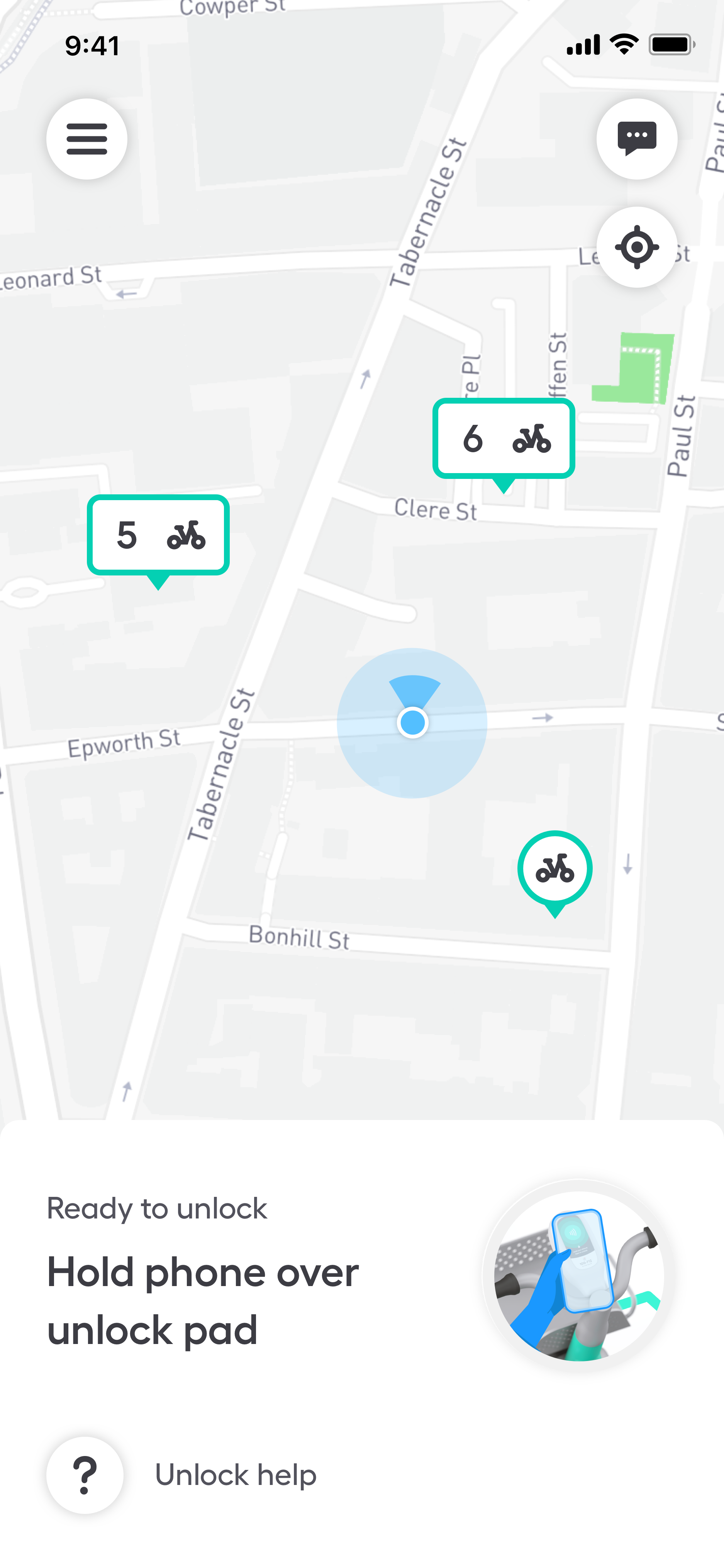
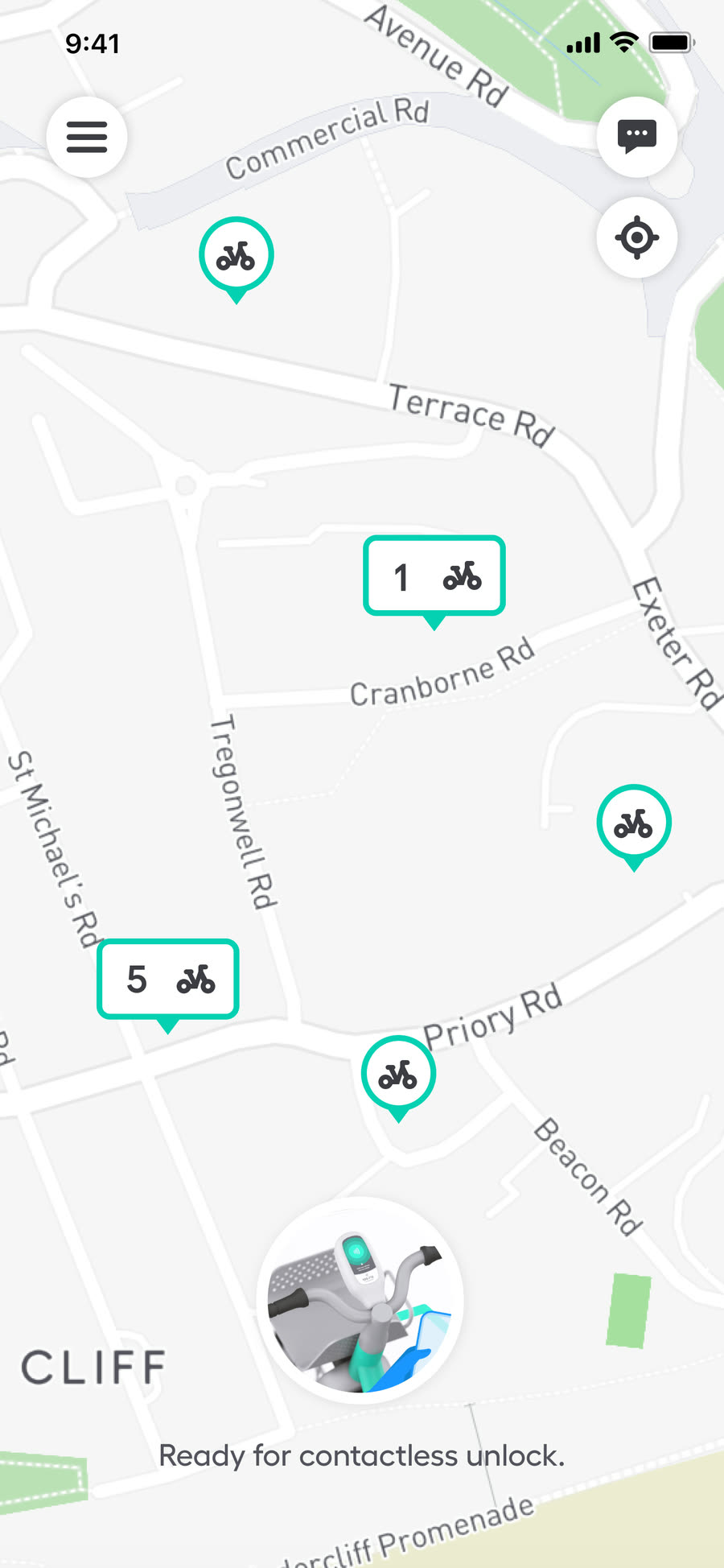
Contactless (NFC) was the primary unlock method
Supporting our future vision of public transport integration.
But not all phones have NFC - we needed an alternative for these users.
Process
I ensured users without NFC could start their rides
I shortlisted 4 non-NFC unlocking methods. Through risk analysis, I narrowed it down to 2.
- Numeric codes
- QR codes
- Bluetooth
- Barcodes

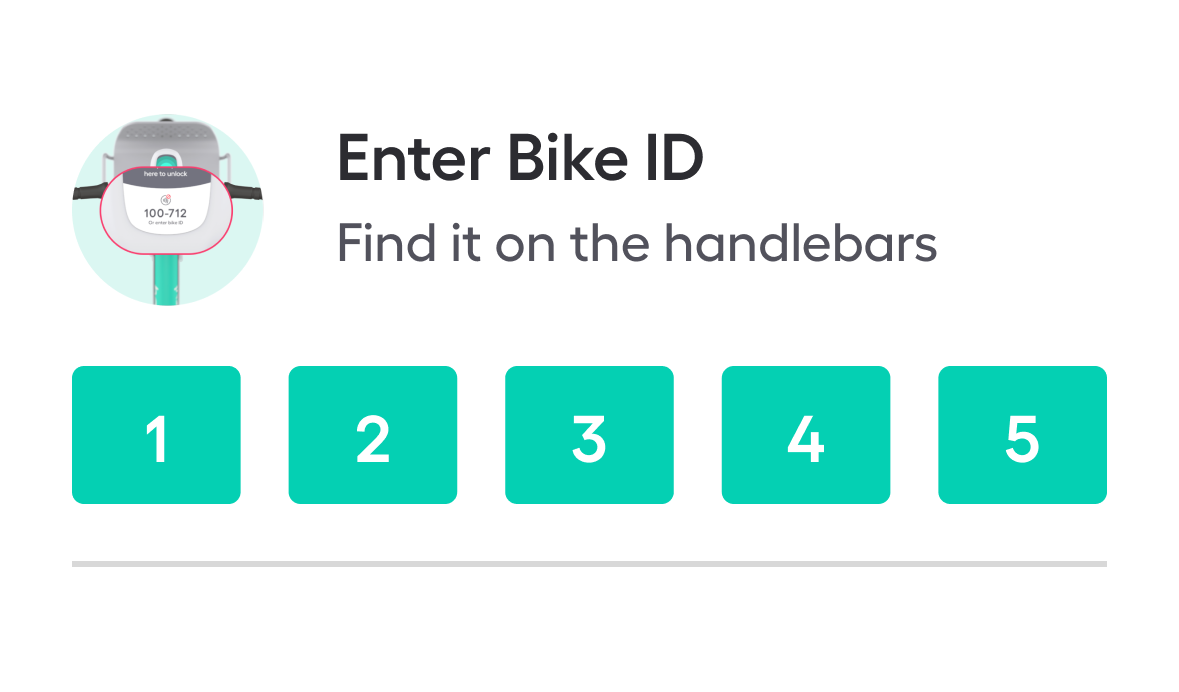
6/8 users found it easier to unlock with numeric codes.
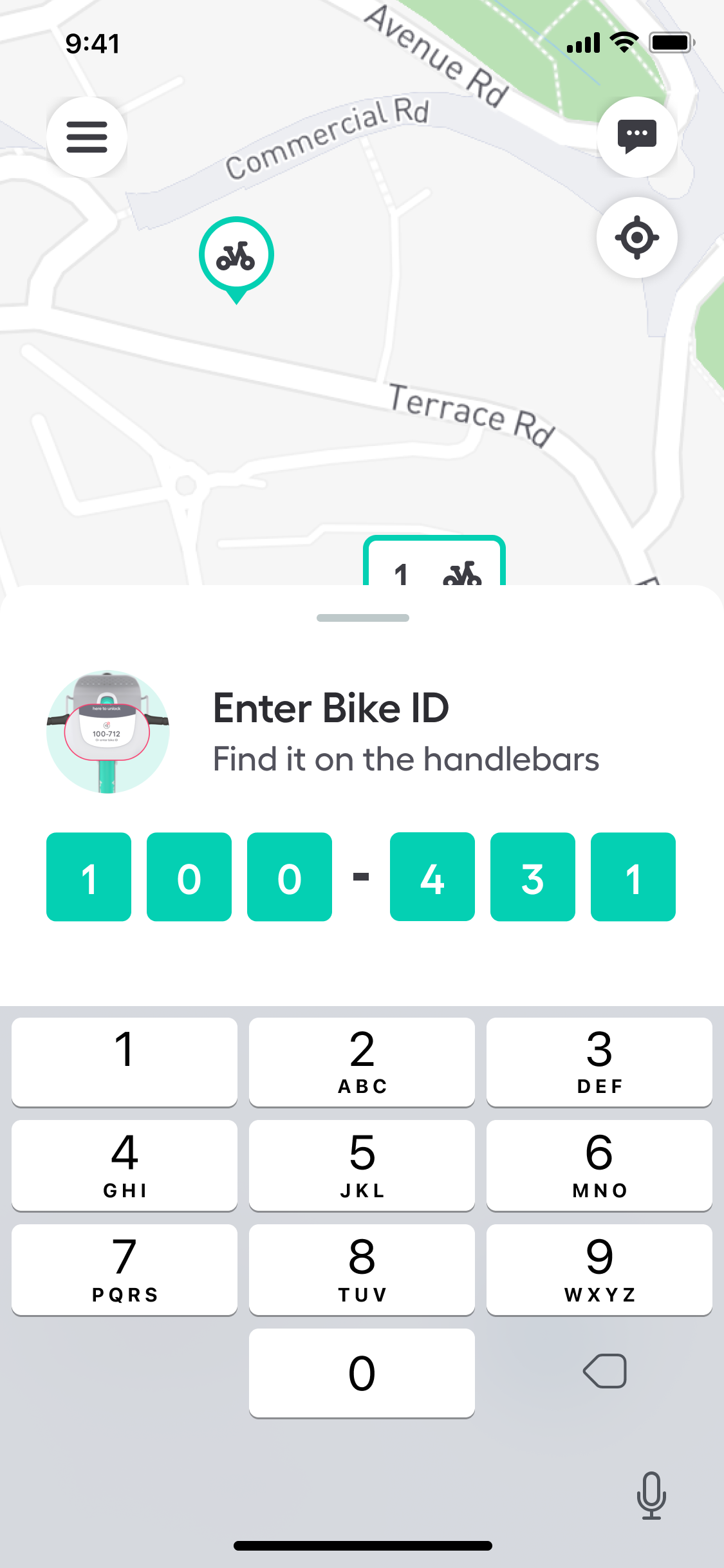
Increased the number of digits for more unique code variations & added a dash (–) to improve legibility.
Worked with product, engineering and industrial design to support end-to-end delivery.
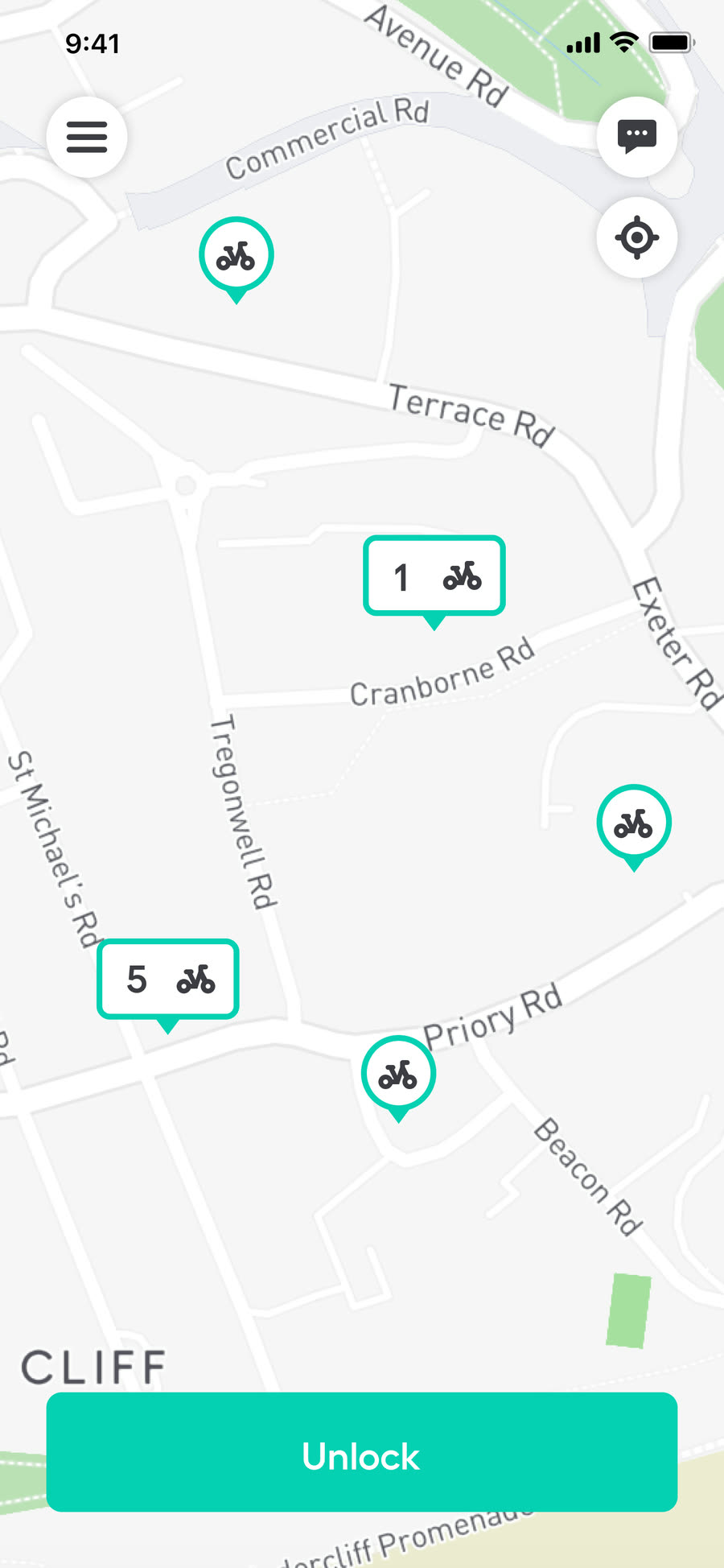
Phase 2 Post-MVP
Problem
NFC unlock failures prevented some users from starting rides
They had no fallback - only those without NFC could unlock using the Bike ID numeric code.
Process
I enabled Enter Bike ID as a backup unlocking method
Live-tested a quick fix, which had little impact on customer support demand.
Users didn't notice it, but could find it when prompted.
Gained buy-in for a larger initiative to enable users to self-serve.
Persuaded team to evolve our design language by replacing the free-floating unlock components with a card pattern.
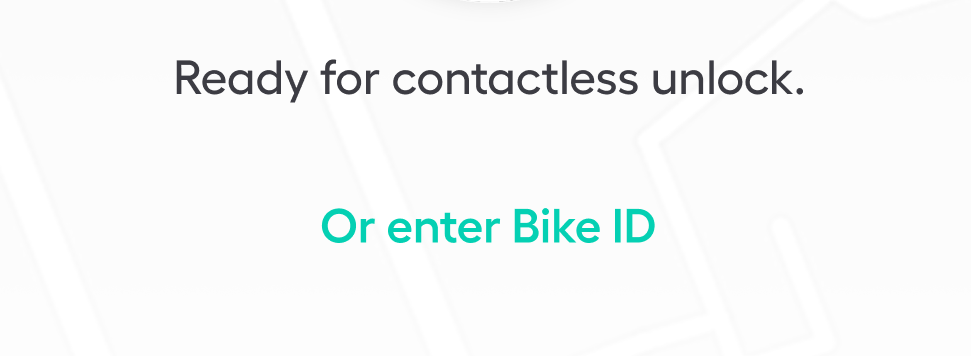
Usability tested two unlock concepts
Prototype A:
- Minimal content
- Contextual help
Prototype B:
- Detailed content
- Use Bike ID CTA
Found that most users were looking to troubleshoot when NFC unlock failed.
iOS required a button to trigger NFC. We relied on native imaging and custom content to support unlocking.
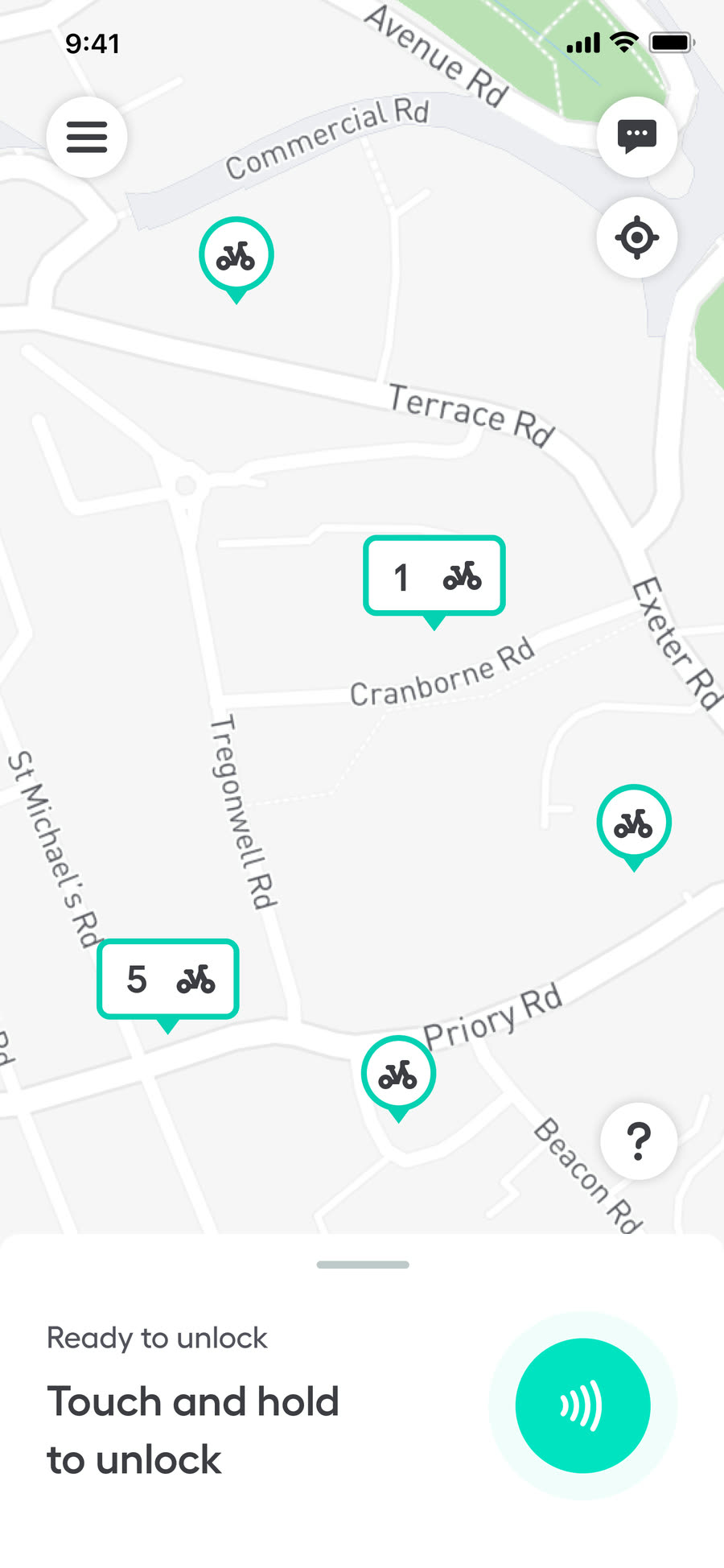
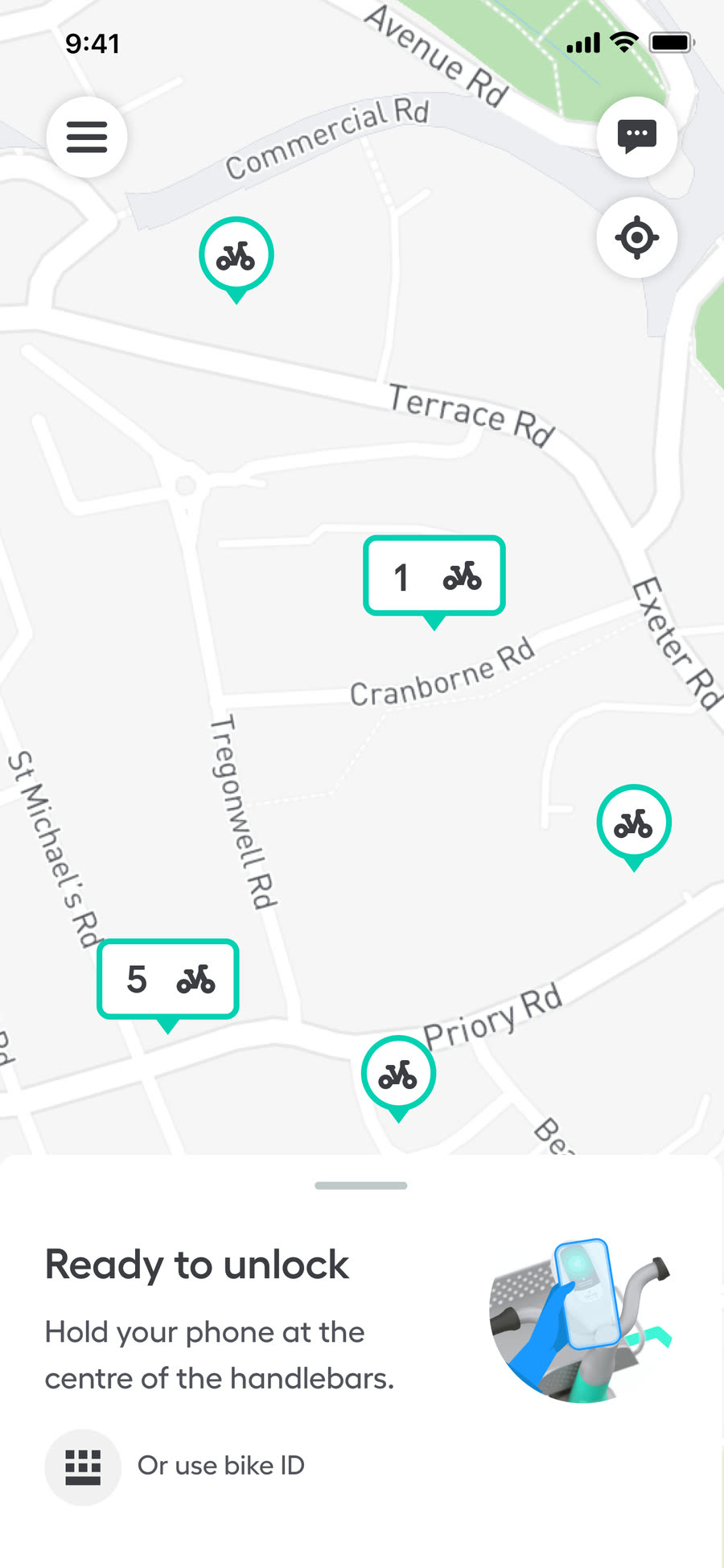
Iterated on a combination of A + B: providing an obvious troubleshooting path.
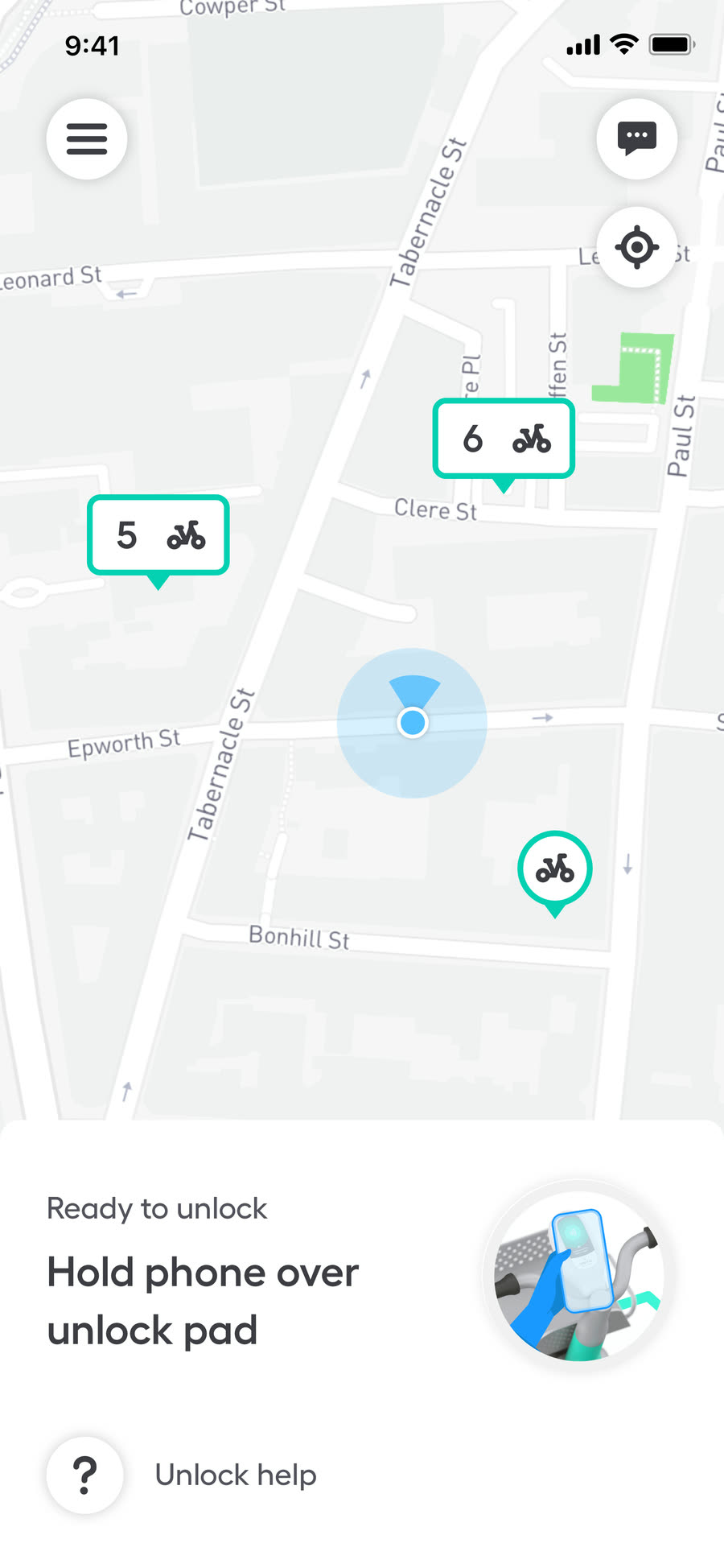
Collaborated with developers to provide richer feedback to users on why unlock failed based on error codes and support responses.
Impact
Results
More users could start their rides unassisted
This reduced pressure on support.
We monitored performance in the month post-launch.
Reflections
NFC supported our future vision. Numeric codes ensured inclusivity and reliability now
Self-serve troubleshooting and error messaging turned unlock failures into successful unlocks - I worked around a hardware problem
Shipping fast unblocked users, while buying time for a more impactful solution
I persuaded the team to go with the card pattern to avoid future design debt
Given more time, I'd have explored enhancing the iOS experience